
5 Lens Focal Lengths for AI Video Hosts
Compare 24mm, 35mm, 50mm, 85mm, and 100mm macro lenses in AI video—with generated visual examples showing how each changes face and background.
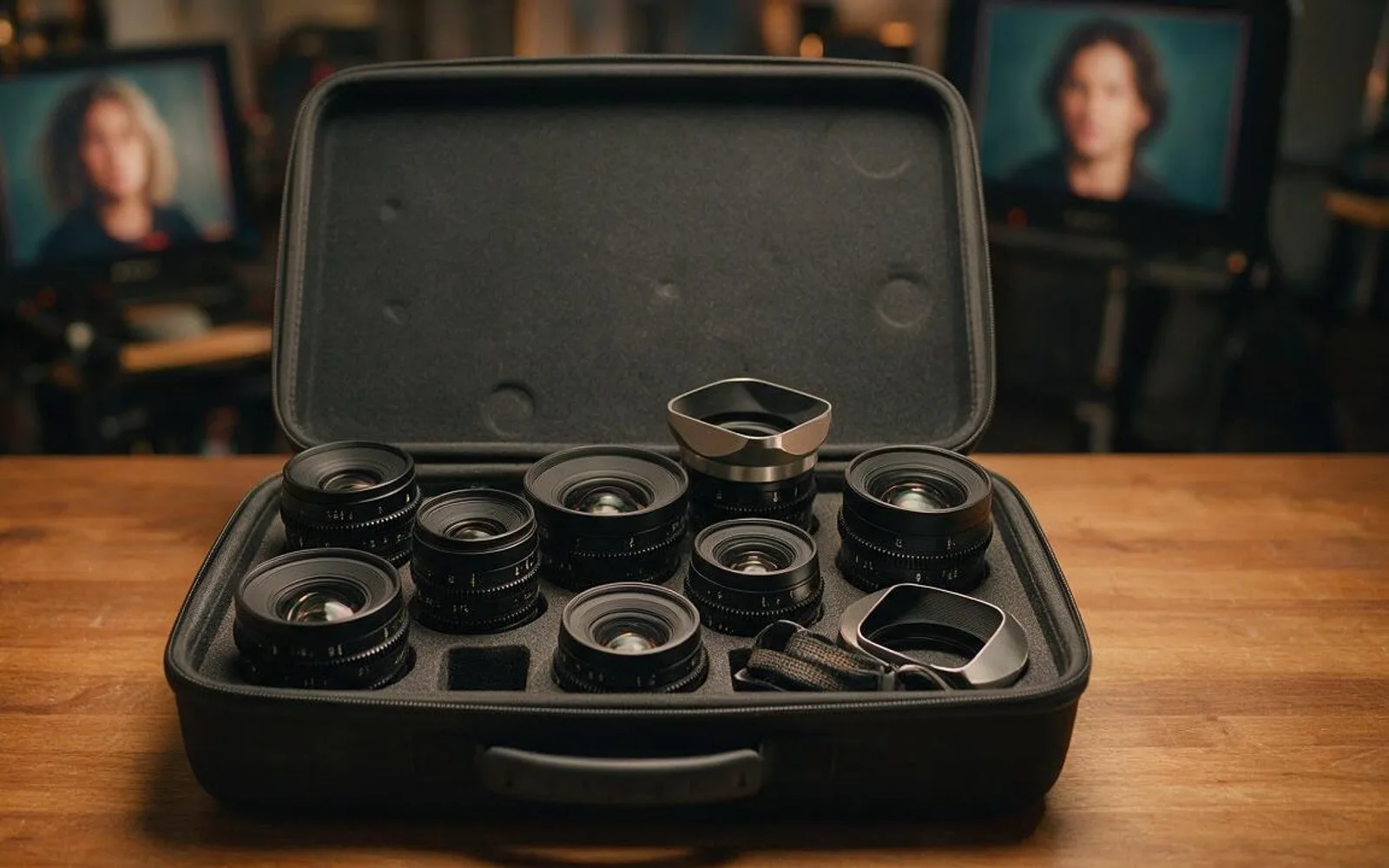
Specifying a lens focal length in millimeters (24mm, 35mm, 50mm, 85mm, or 100mm macro) is one of the highest-leverage prompt controls in AI image and video generation. Focal length simultaneously controls facial proportion, how much of the room fits inside the frame, and how strongly the background blurs into bokeh. Below are the five focal lengths you should know, paired with Seedream 5.0 Pro examples so you can see the exact visual shift before you generate.
1. 24mm Wide Environmental Lens (Room & Action Context)

A 24mm lens captures the whole room—floor-to-ceiling windows, workbenches, and architectural depth—making the environment a co-star alongside your host. Use 24mm for shop tours, full-body outfit reveals, and studio introductions. Keep the speaker's face near the center of a 24mm frame; placing a face too close to the lens or near the frame edges introduces wide-angle nose distortion.
2. 35mm Documentary Street & Lifestyle Prime
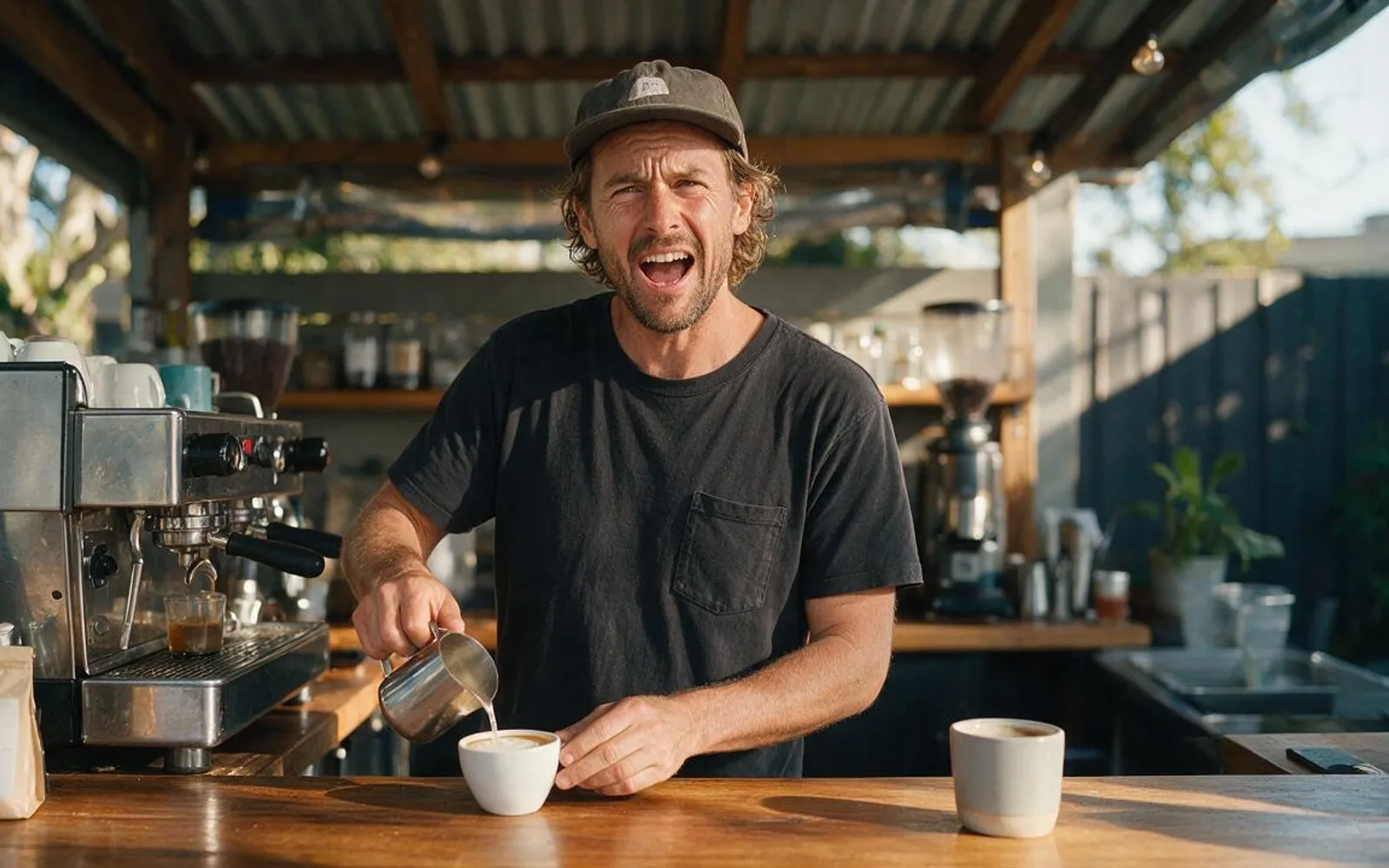
The 35mm focal length is the workhorse of documentary filmmakers and lifestyle vloggers. Framed from the waist up, 35mm keeps facial features natural while leaving the background just sharp enough that viewers can tell whether the host is in a bakery, a gym, or a design office without reading a caption.
3. 50mm Standard Human-Eye Portrait
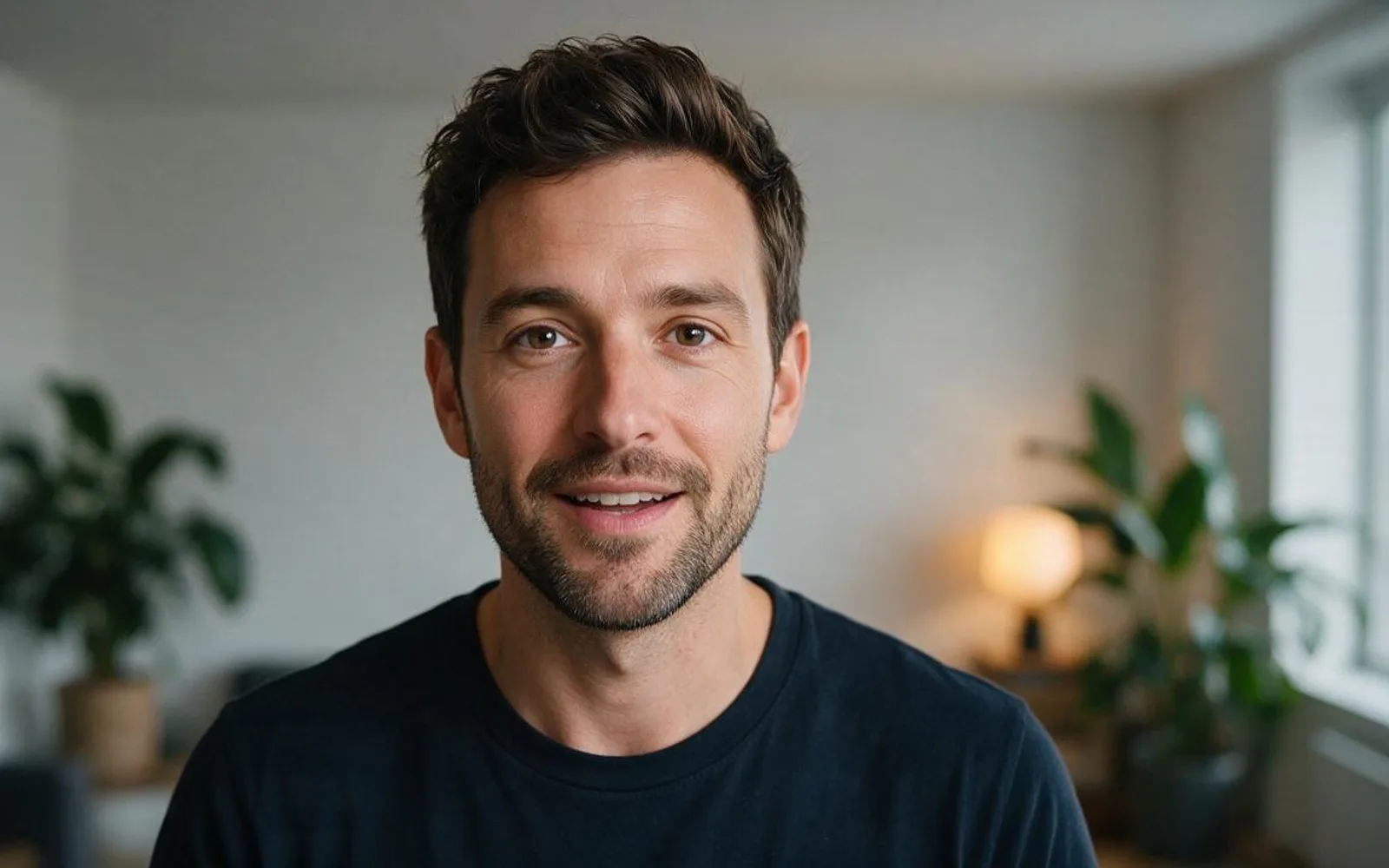
A 50mm prime matches the field of view and compression of the human eye. There is zero wide-angle exaggeration on the nose and zero telephoto flattening on the cheeks, making 50mm the safest default when locking a new AI influencer's master reference face.
4. 85mm f/1.4 Portrait Telephoto (Creamy Bokeh Compression)
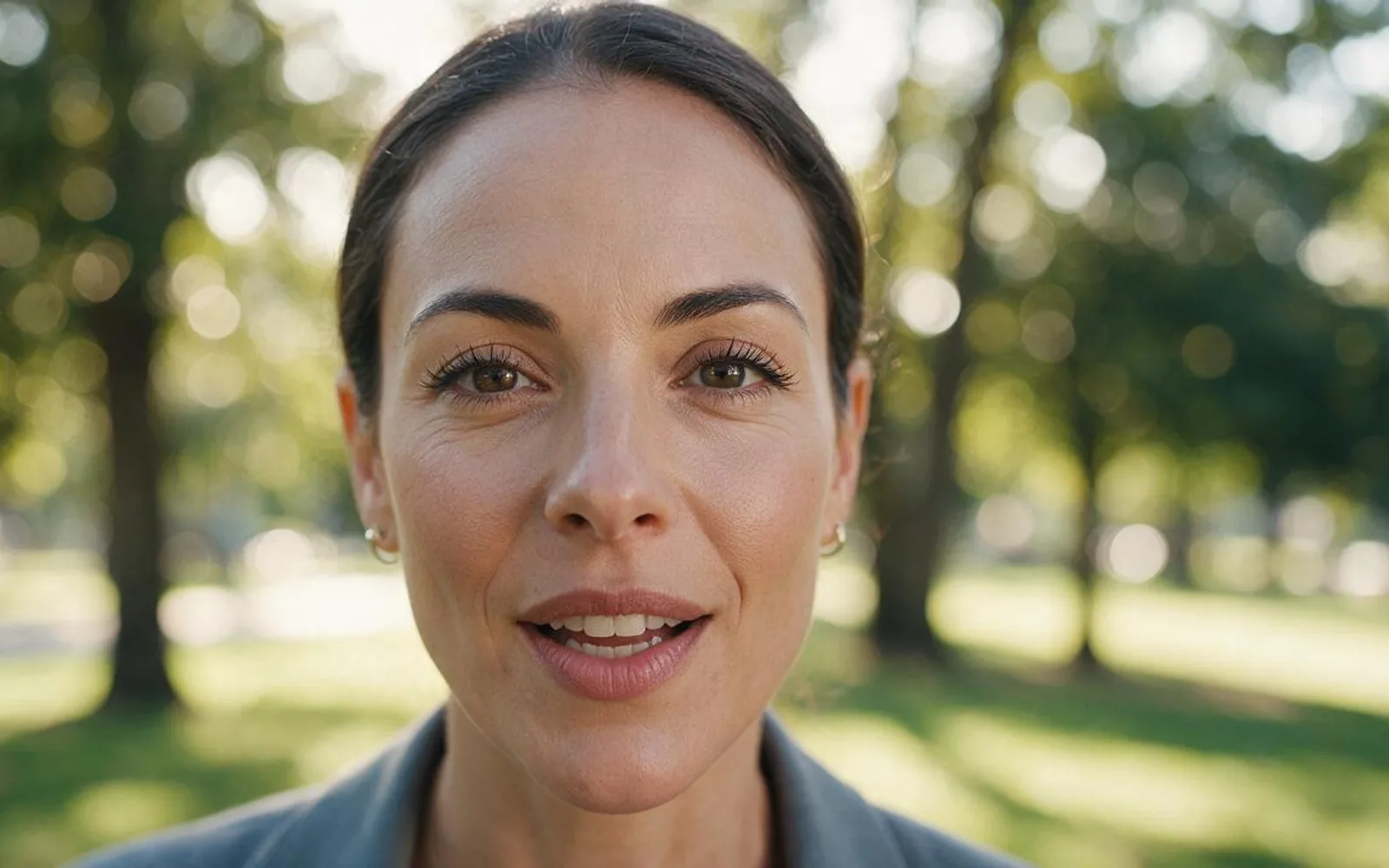
An 85mm lens compresses perspective—flattering the jawline and cheekbones—and melts a busy background into smooth, painterly bokeh circles. Use 85mm when you want luxurious beauty portraits, emotional storytelling beats, or clean separation in a cluttered outdoor street.
5. 100mm Macro Detail Lens (Hands, Texture & Product B-Roll)
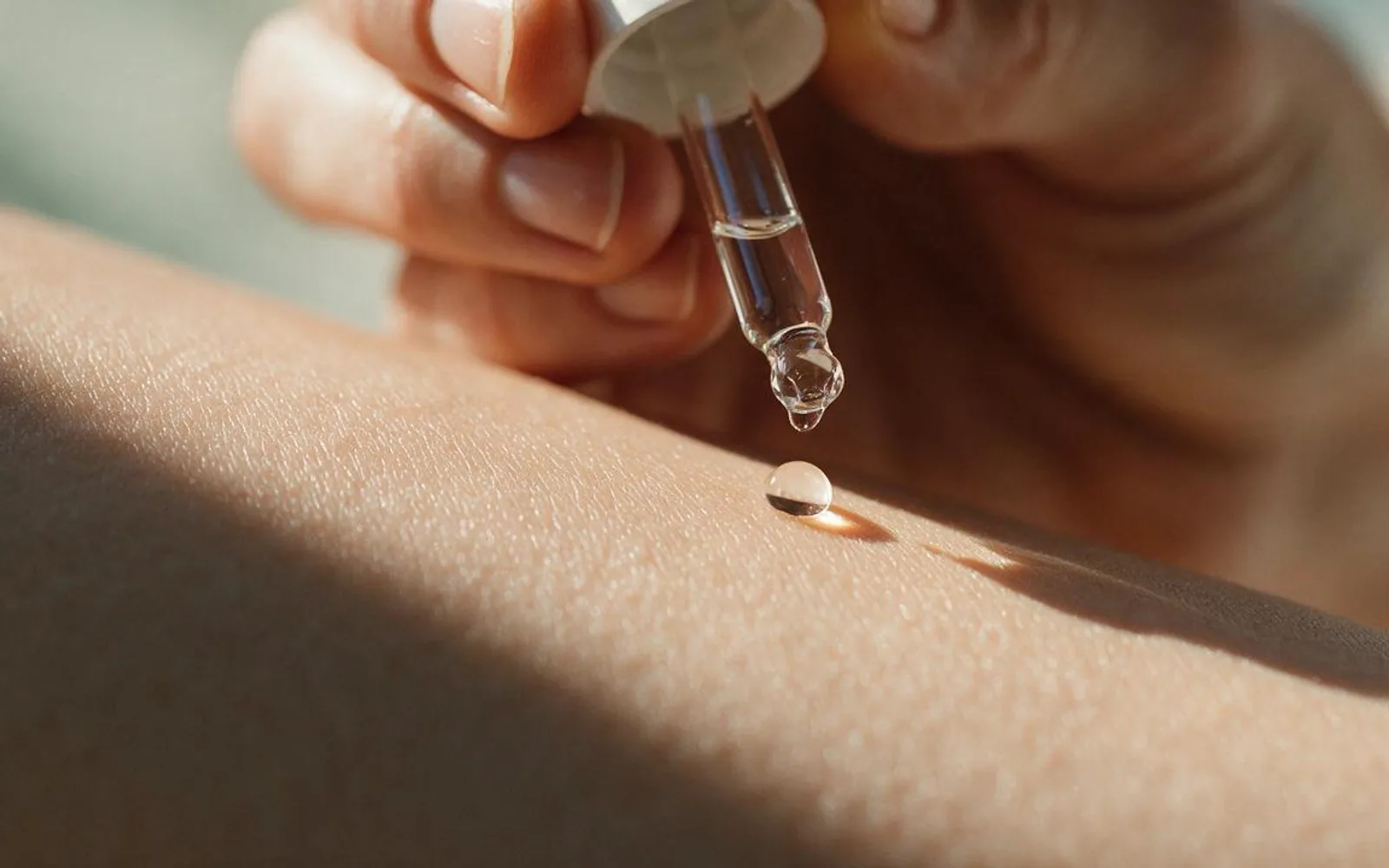
When cutting away from your talking head to prove product quality—a watch clasp clicking shut, espresso crema pouring, or a serum droplet touching skin—switch to a 100mm macro prompt. Macro optics isolate a few centimeters of texture in tack-sharp detail while turning everything else into pure color.
A worked production example
A coffee roaster builds an AI host workflow: they lock the founder's identity at 50mm, shoot the cafe intro at 35mm so the roaster machine is visible, punch in to 85mm for the tasting notes, and insert a 100mm macro B-roll clip of the espresso pour.
Before you generate motion
- Wide 24mm shots keep the speaker's face near the center to avoid edge distortion.
- 85mm portraits keep both eyes on the focal plane so neither eye blurs.
- 100mm macro B-roll clips show one clear physical detail with zero fake text.
Where Scro fits
In Scro you can combine 35mm/50mm/85mm A-roll frames with 100mm macro B-roll cutaways inside the Talking + B-Roll director so every reel looks shot on a full prime lens kit.
Lock your host's lens look in Scro. Finished samples are on the examples page.
Related: 5 Framing Rules for 9:16 Vertical Reels.