
5 Camera Angles for AI Talking-Head Reels
See 5 high-retention camera angles for AI talking-head videos—from eye-level close-ups to 45-degree editorial interview frames.
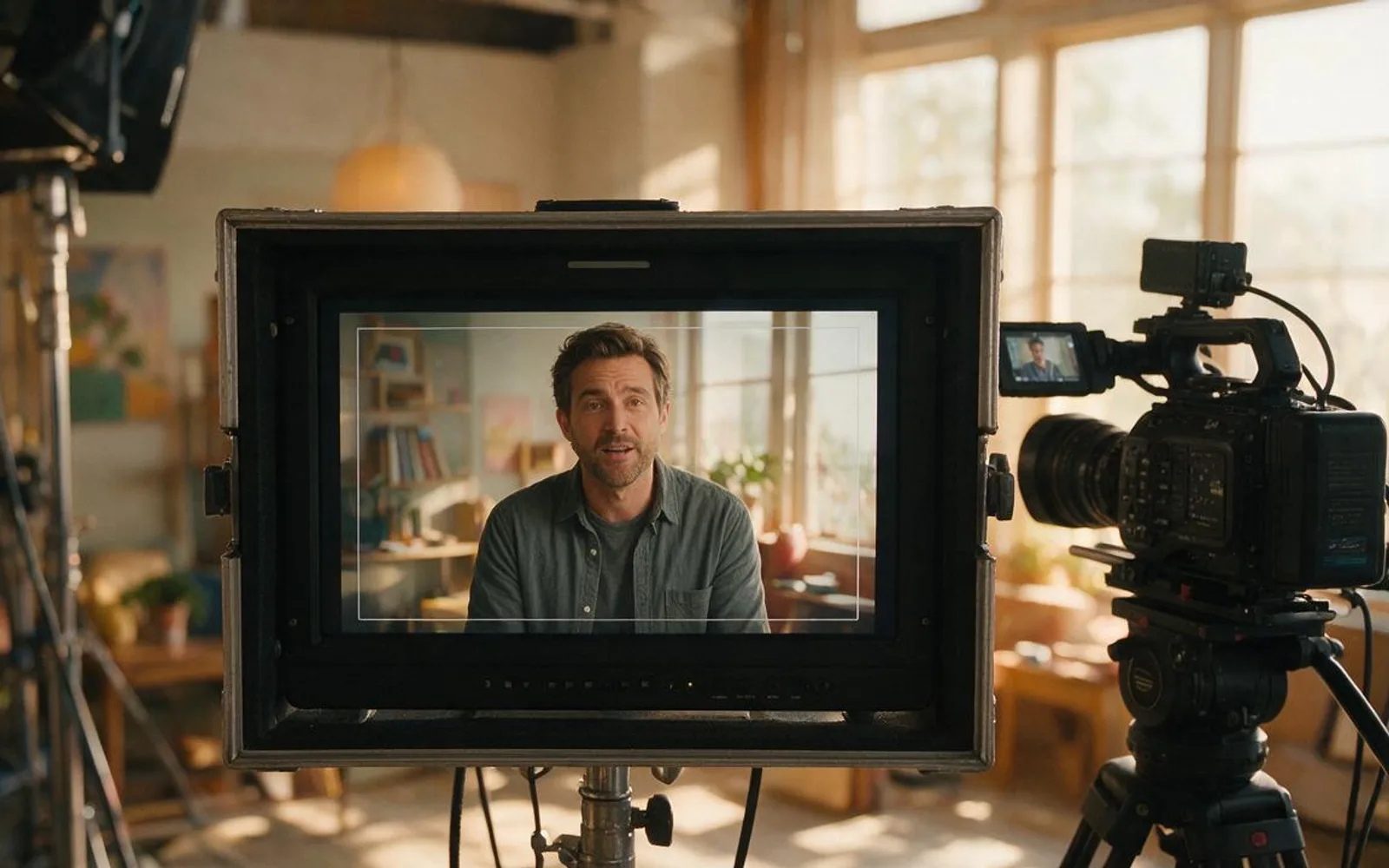
Shooting every single talking-head reel from a dead-center webcam angle fatigues repeat viewers within a week. Real video producers switch camera height and horizontal angle to match the psychological role of each sentence: eye-level builds peer trust, a 45-degree off-axis angle feels like an unscripted documentary interview, and an over-the-shoulder desk shot proves hands-on work. Here are five essential camera angles for AI talking-head videos, each illustrated with a Seedream 5.0 Pro reference frame.
1. Eye-Level Medium Close-Up (Direct Peer Connection)
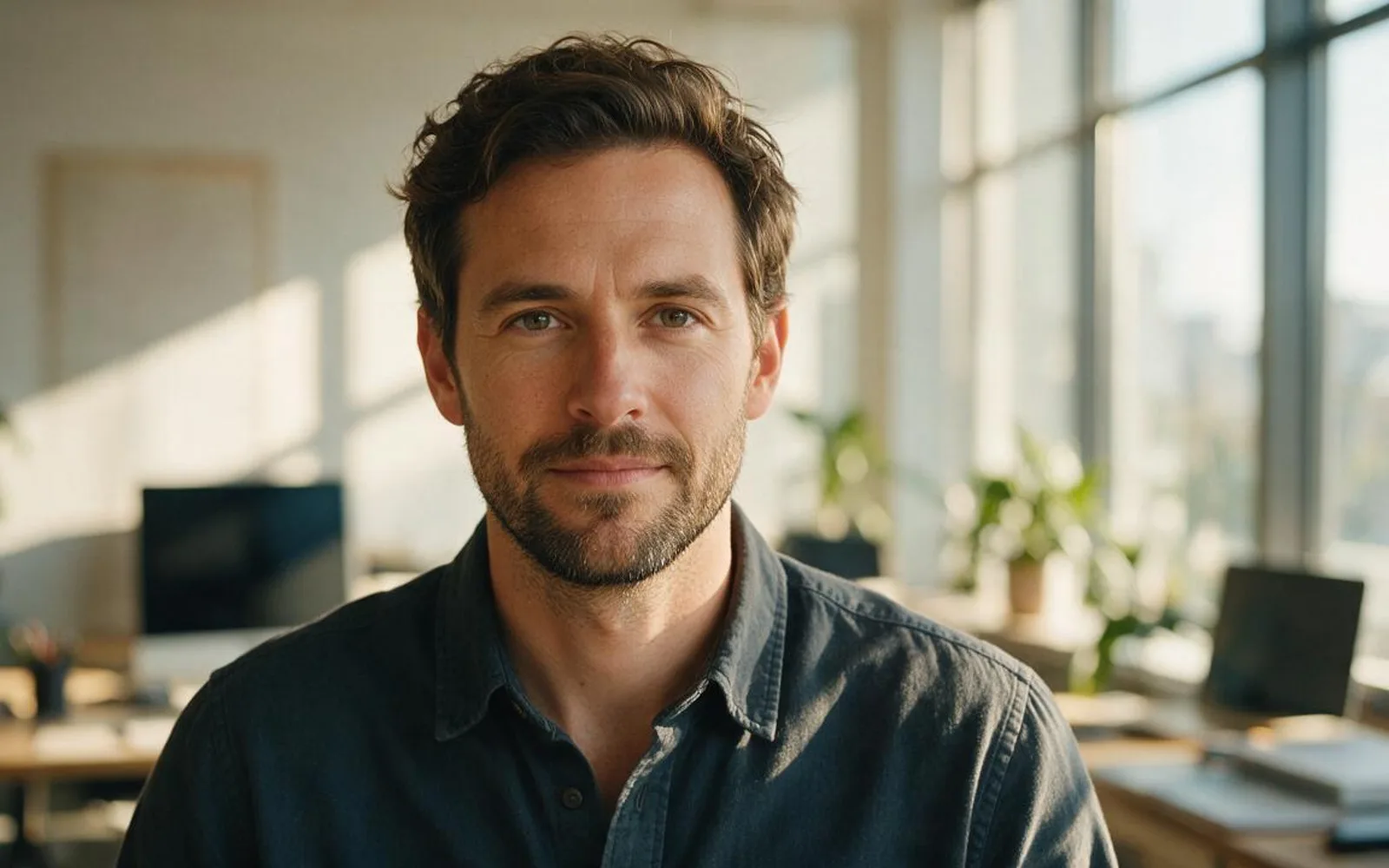
An eye-level medium close-up places the lens at the exact height of the speaker's eyes, cutting just above the sternum. Because the viewer neither looks up nor down at the host, the brain processes the clip as a face-to-face conversation across a table. Use this as your primary A-roll anchor for hooks and direct calls to action, leaving clean headroom in the top fifth of the frame for captions.
2. 45-Degree Editorial Interview Angle (Off-Axis Documentary)
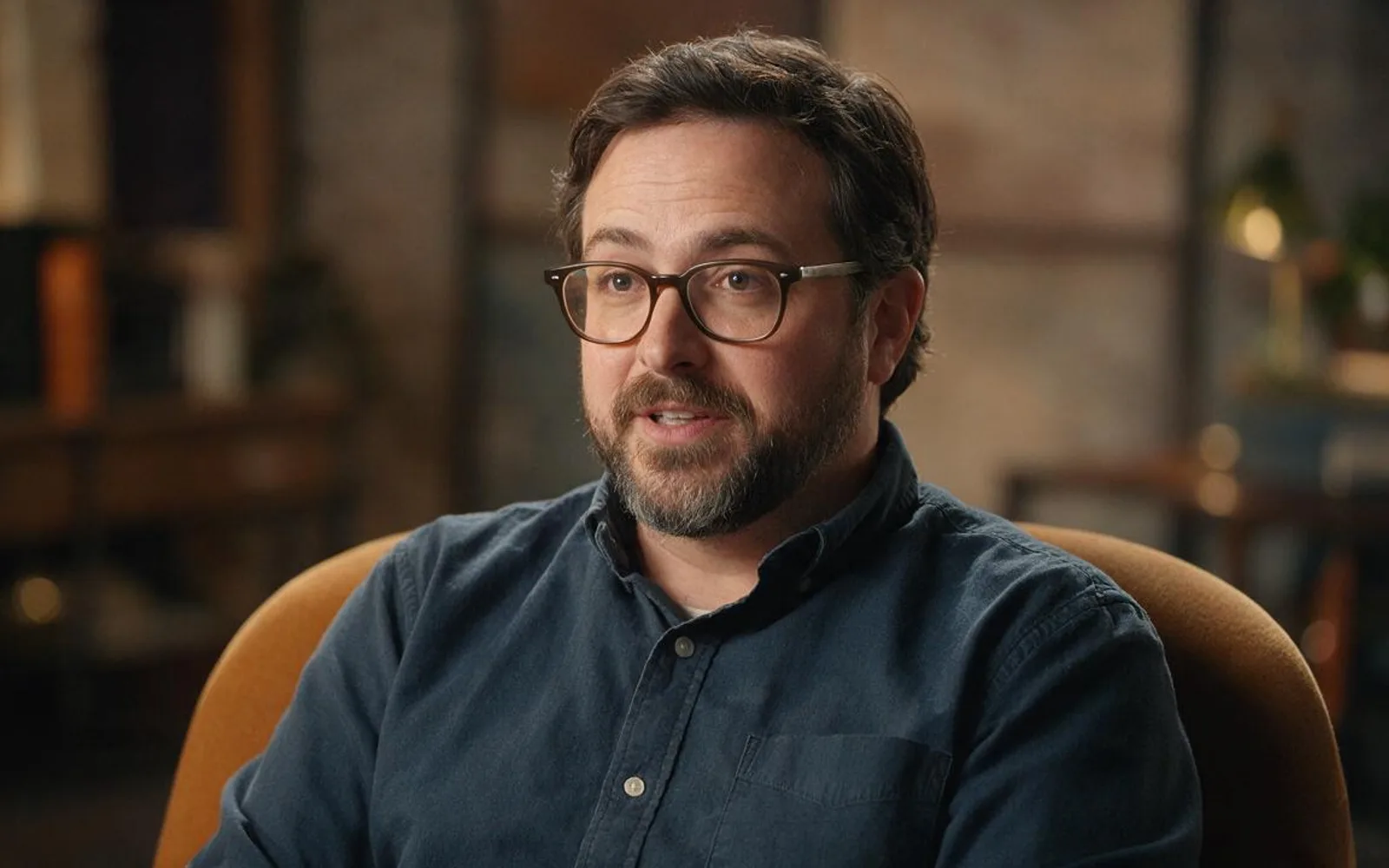
Turning the speaker 30 to 45 degrees toward an unseen producer next to the lens instantly triggers the 'podcast or Netflix documentary' heuristic. Viewers stay longer because they feel like they are eavesdropping on a candid answer rather than being pitched an ad. In Scro's Editorial Interview and Dialogue Q&A directors, alternating between this 45-degree angle and a tighter punch-in creates effortless multi-camera pacing.
3. Slight Low-Angle Hero Frame (Confidence & Authority)
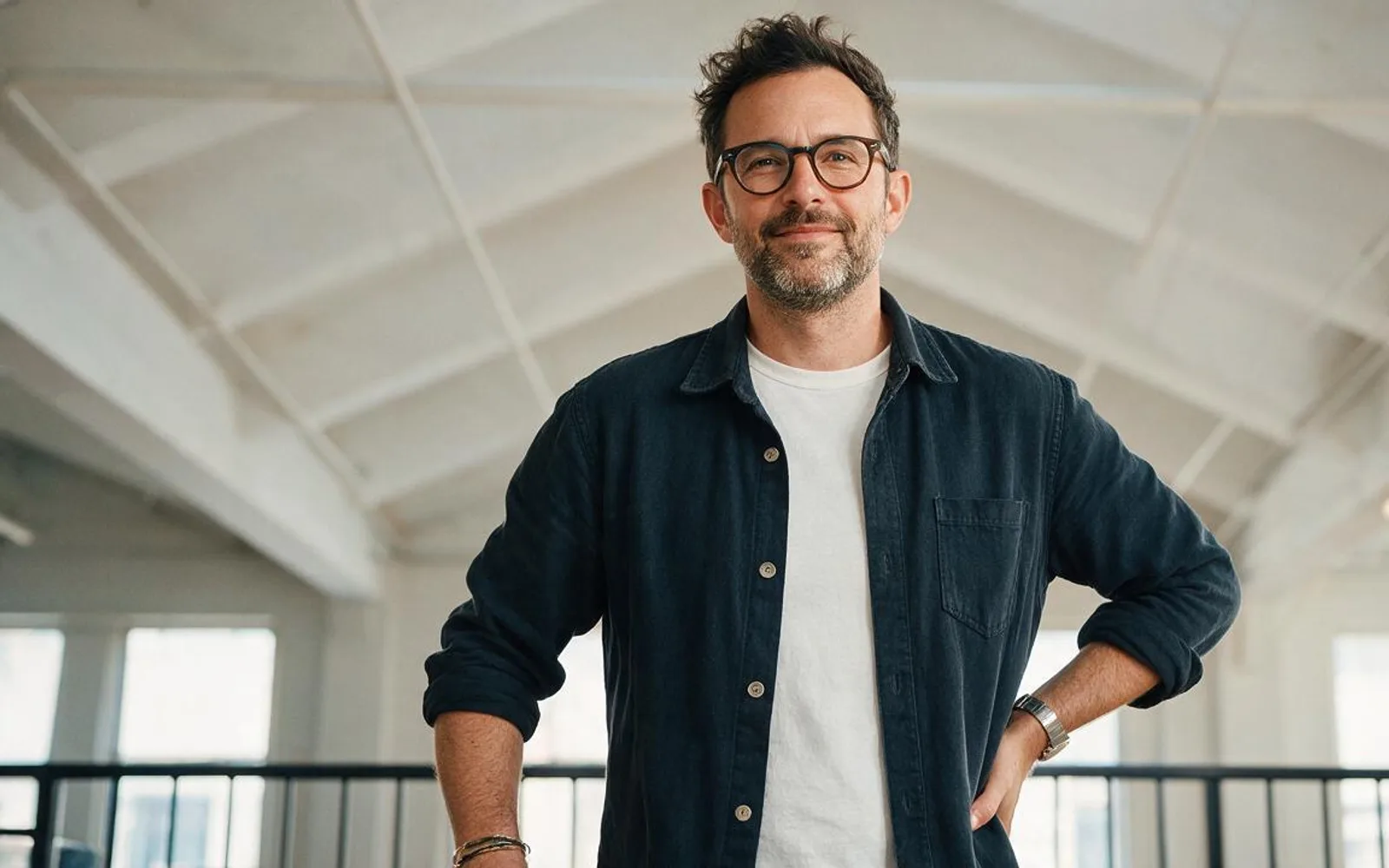
Lowering the camera to chest height and tilting up by just 10 to 15 degrees gives the speaker stature and architectural presence. Use this angle for bold contrarian hooks, launch announcements, or leadership takeaways. Keep the tilt subtle—a 10-degree lift looks heroic, whereas a 45-degree floor angle distorts the chin and nostrils.
4. High-Angle Desk Work & Sketch Overview
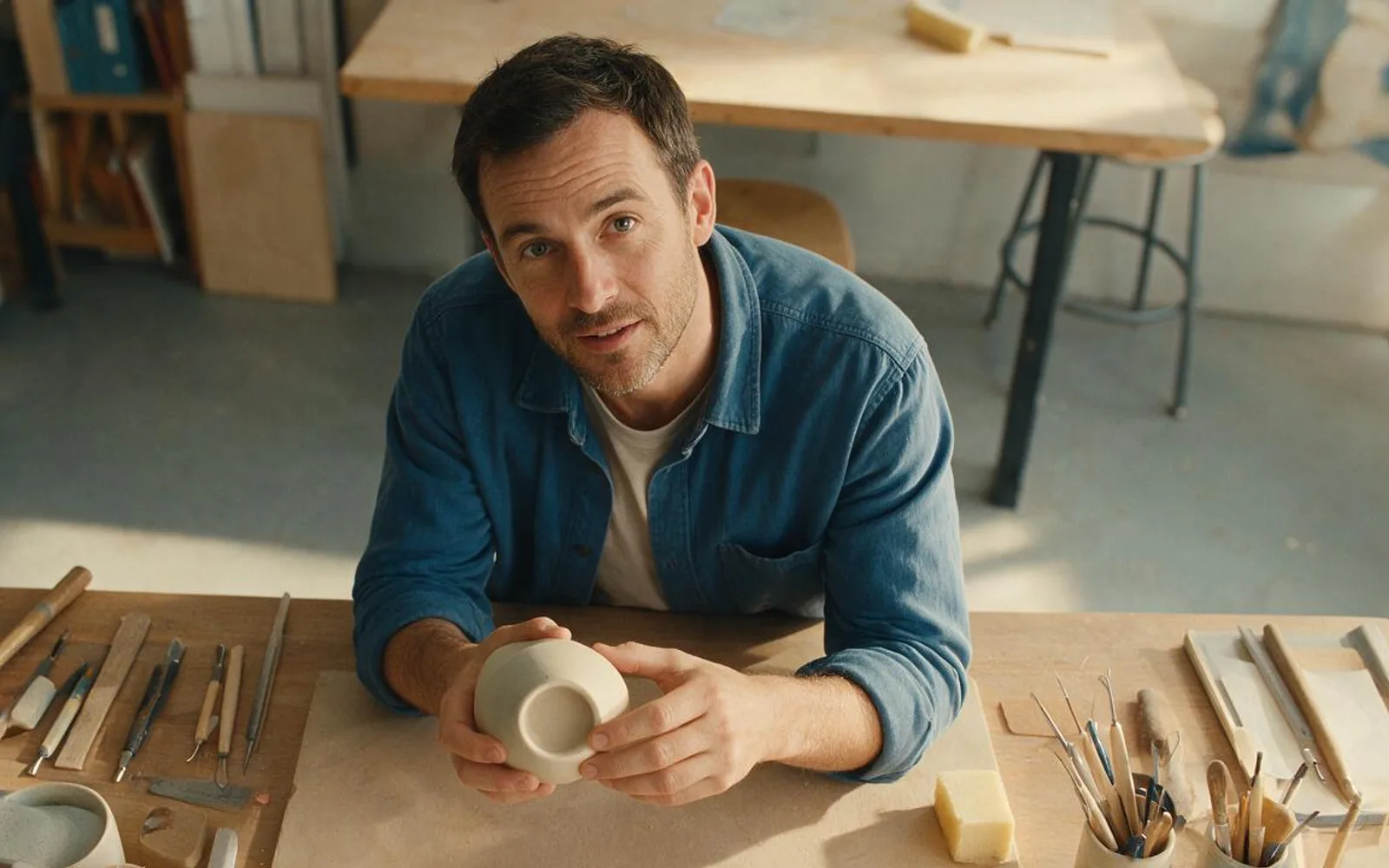
Positioning the camera 30 degrees above eye level looking down at a desk lets the viewer see both the speaker's face and what their hands are holding on the tabletop. Craft businesses, architects, chefs, and product designers use this angle to prove tangible skill in the first three seconds without cutting away from the host.
5. Walk-and-Talk Handheld Street POV
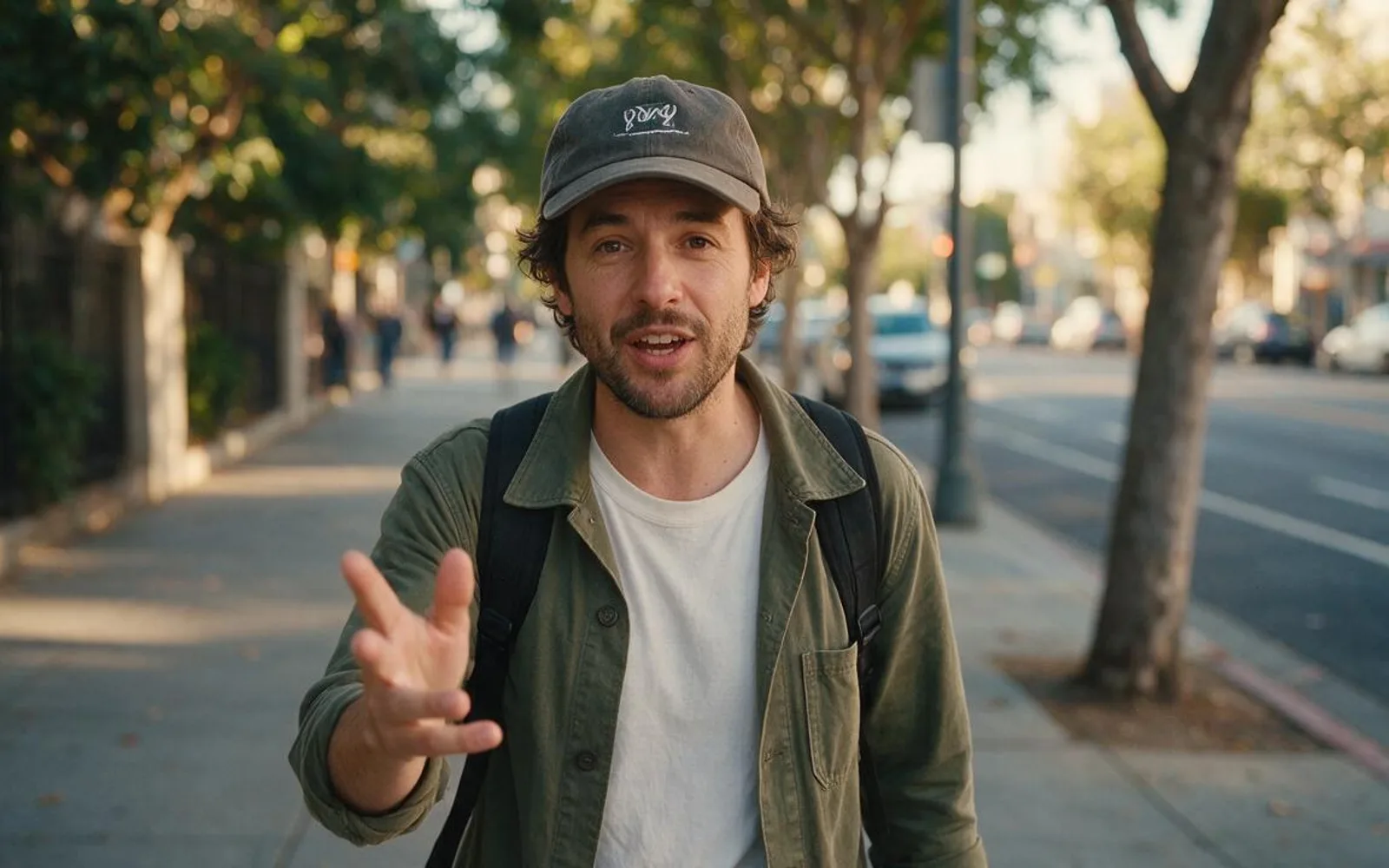
A walk-and-talk frame places the camera one step ahead of the speaker on a sidewalk or corridor so the background has deep receding perspective lines. Even a five-second walking hook at the start of a reel raises initial retention because both the subject and the environment carry forward momentum.
A worked production example
A business coach turns a 45-second script into a three-angle sequence: an Eye-Level Medium Close-Up for the opening hook, a 45-Degree Editorial Interview angle for the core story, and a High-Angle Desk shot for the final takeaway. Viewers watch to the end because the visual perspective refreshes every 12 seconds.
Before you generate motion
- Eye height matches the intended emotion (level for trust, 45° for interview, slight low for authority).
- Headroom leaves space for burned-in captions without covering the forehead.
- The speaker's jaw and hairline stay identical when switching angles.
Where Scro fits
Scro's Talking-Head, Editorial Interview, and Dialogue Q&A directors let you generate and lock these exact camera angles on your character while keeping face and wardrobe 100% consistent.
Frame your AI host in Scro. Finished samples are on the examples page.
Related: 5 Lens Focal Lengths for AI Video Hosts.