
5 Psychology Explainer Formats That Go Viral
Grow a high-retention psychology or mindset channel using 5 visual explainer formats—illustrated with Seedream 5.0 Pro examples.
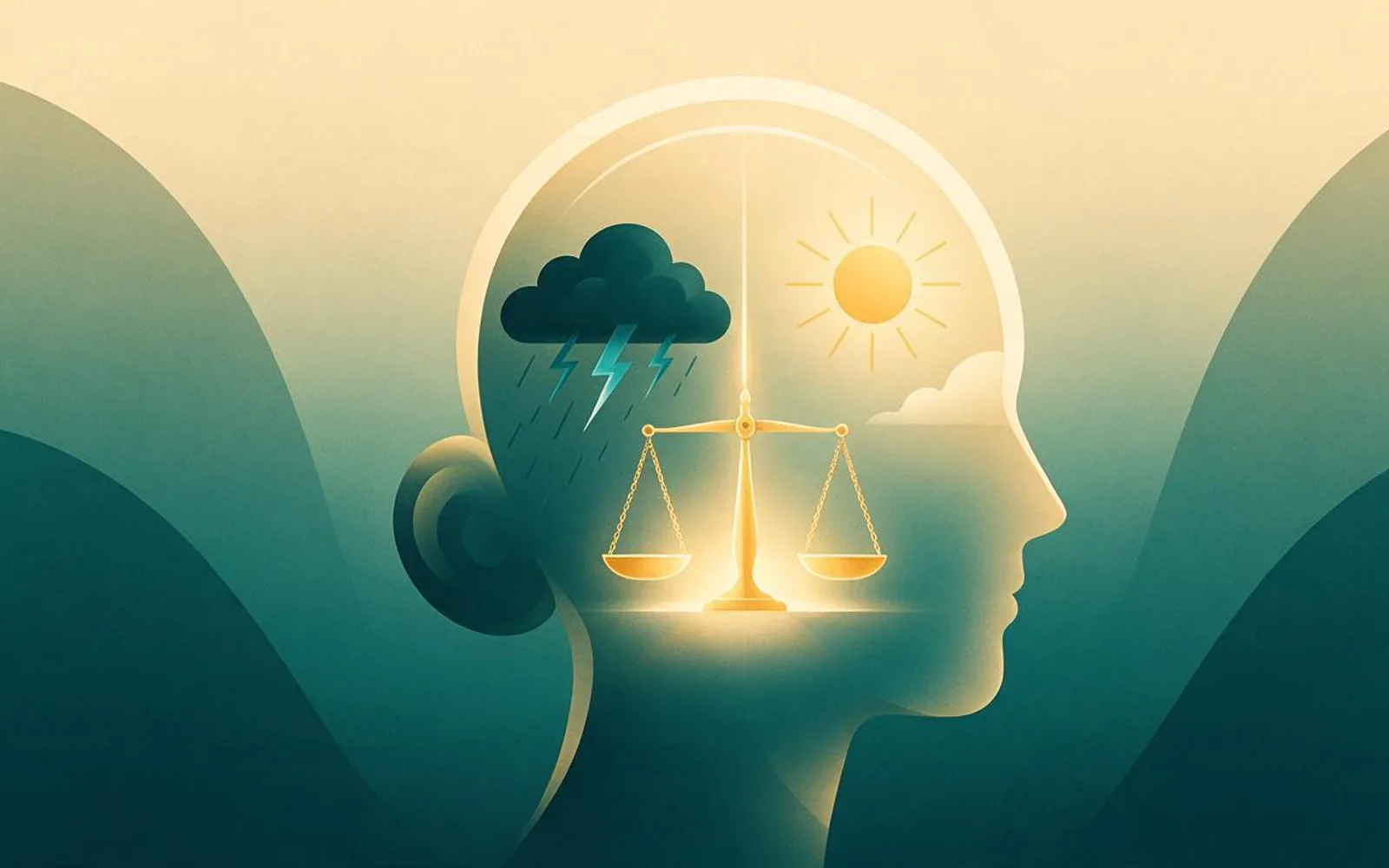
Psychology, mindset, and emotional intelligence explainers consistently achieve some of the highest save-and-share ratios on Instagram Reels and YouTube Shorts. Why? Because when you visualize an internal feeling—like burnout, overthinking, or impostor syndrome—as a concrete external drawing, viewers feel understood and immediately send the clip to someone they care about. Here are five visual formats that power top psychology explainer channels.
1. What People Think Success Looks Like vs. Reality
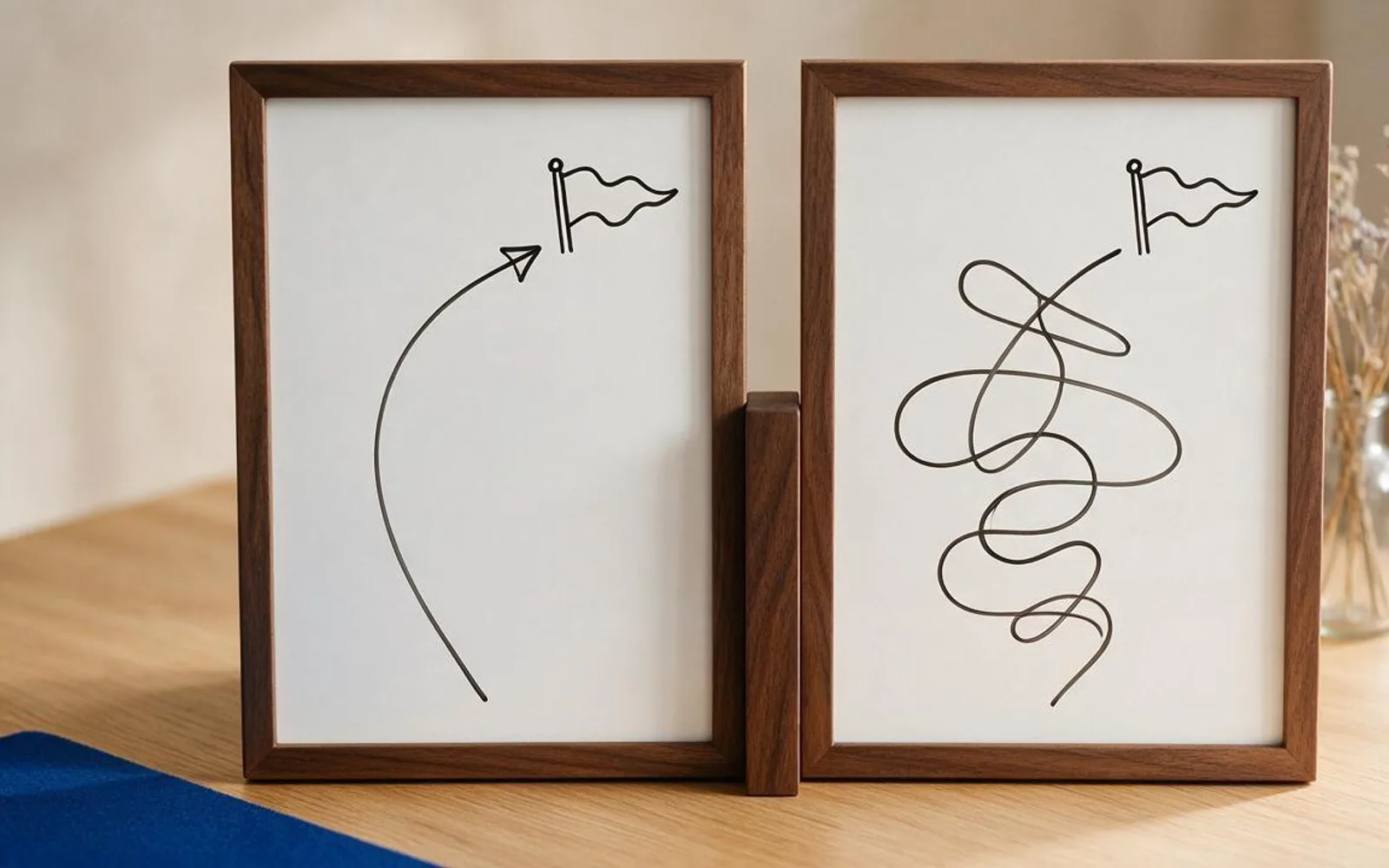
The classic 'Expectation vs. Reality' two-panel drawing validates the viewer's struggle in three seconds. Drawing the straight line alongside the messy real path creates an instant screenshot moment.
2. The Battery Drain vs. Recharge Audit
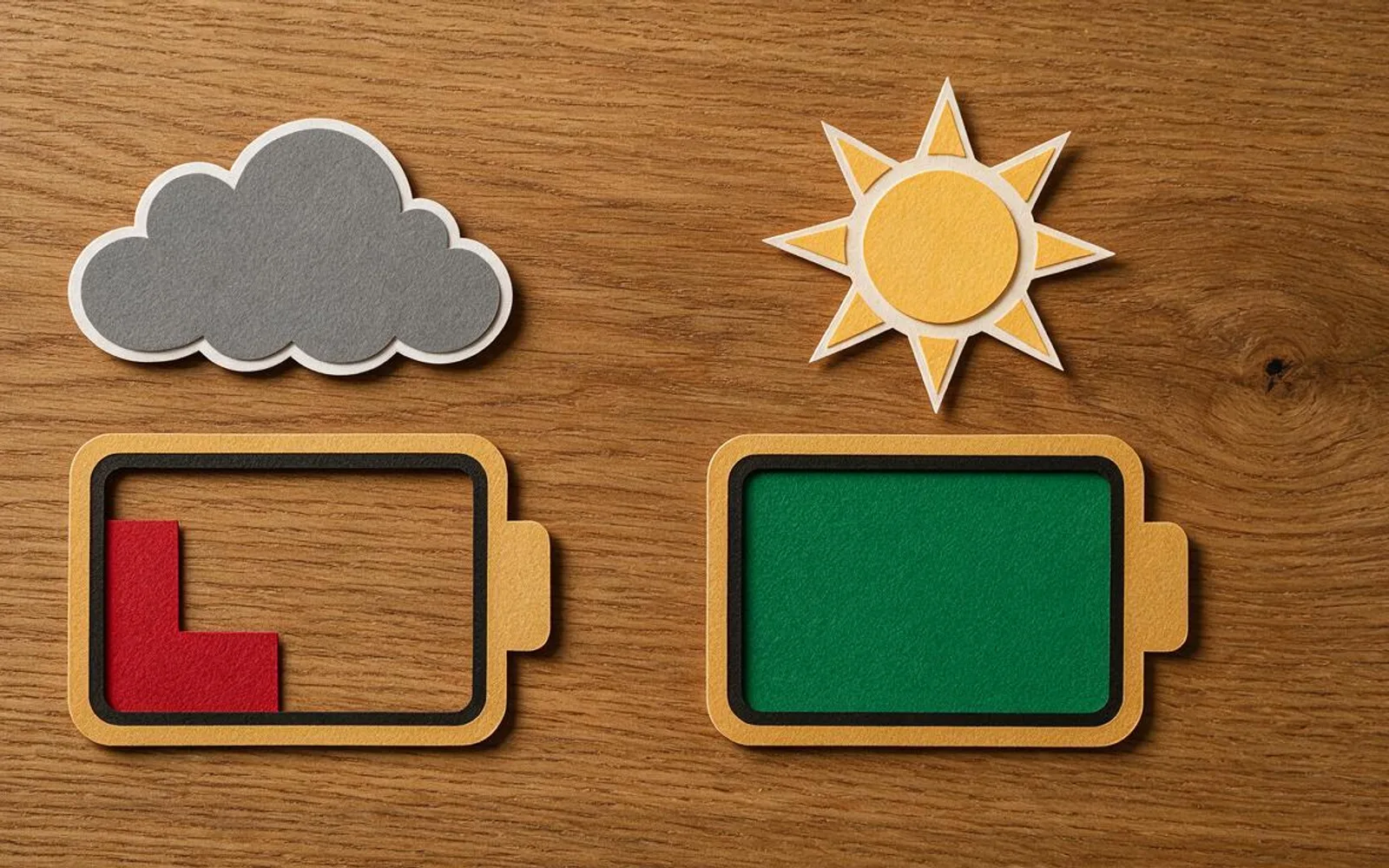
Visualizing mental energy as a physical battery—showing three hidden habits that drain it and three boundaries that recharge it—turns abstract self-care advice into a tangible checklist.
3. Circle of Control vs. Circle of Noise

Stoic philosophy and anxiety management boil down to separating what is inside your inner circle (your actions and words) from the outer ring (other people's opinions and the news).
4. The Two-Minute Friction Rule (Lowering the Starting Barrier)
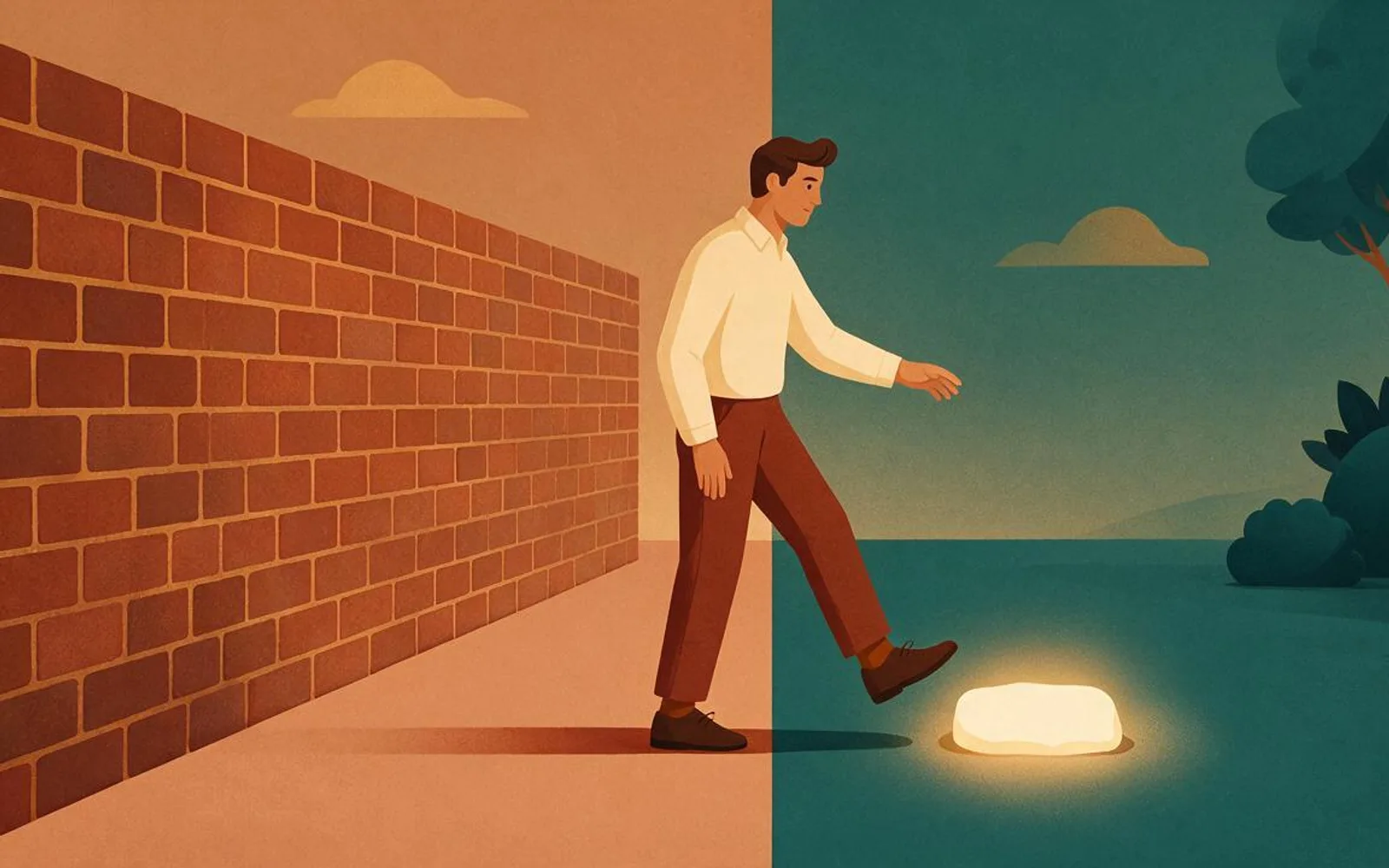
Explain procrastination by showing how the brain freezes in front of a giant brick wall ('Run 5km') but steps effortlessly onto a tiny stone ('Put on running shoes').
5. Night-Sky Reflective Anime Monologue

Pairing a calm Japanese Anime night scene with a 30-second spoken reflection on letting go of perfectionism creates late-night Reels that viewers watch two or three times in a row.
A worked production example
A mindset coach alternates between Whiteboard Doodle diagrams ('Circle of Control') on Mondays and Japanese Anime night reflections on Thursdays, growing a loyal audience that buys their digital journal and group coaching program.
Before you generate motion
- Use one relatable everyday metaphor (batteries, walls, circles) per reel.
- Keep the tone empathetic and practical rather than clinical.
- Invite viewers to save the diagram for the next time they feel stuck.
Where Scro fits
Scro lets you switch seamlessly between Whiteboard Doodle, Paper Cutout, Flat Vector, and Japanese Anime styles while keeping your cloned voice and caption style consistent.
Animate psychology explainers in Scro. Finished samples are on the examples page.
Related: 導師與線上課程:5 款用解說動畫吸學生範例.